Transaction Pathways to Tiered Access: Linking Verified Profiles and Funding Options to Exclusive Live Sessions in Smartphone Platforms
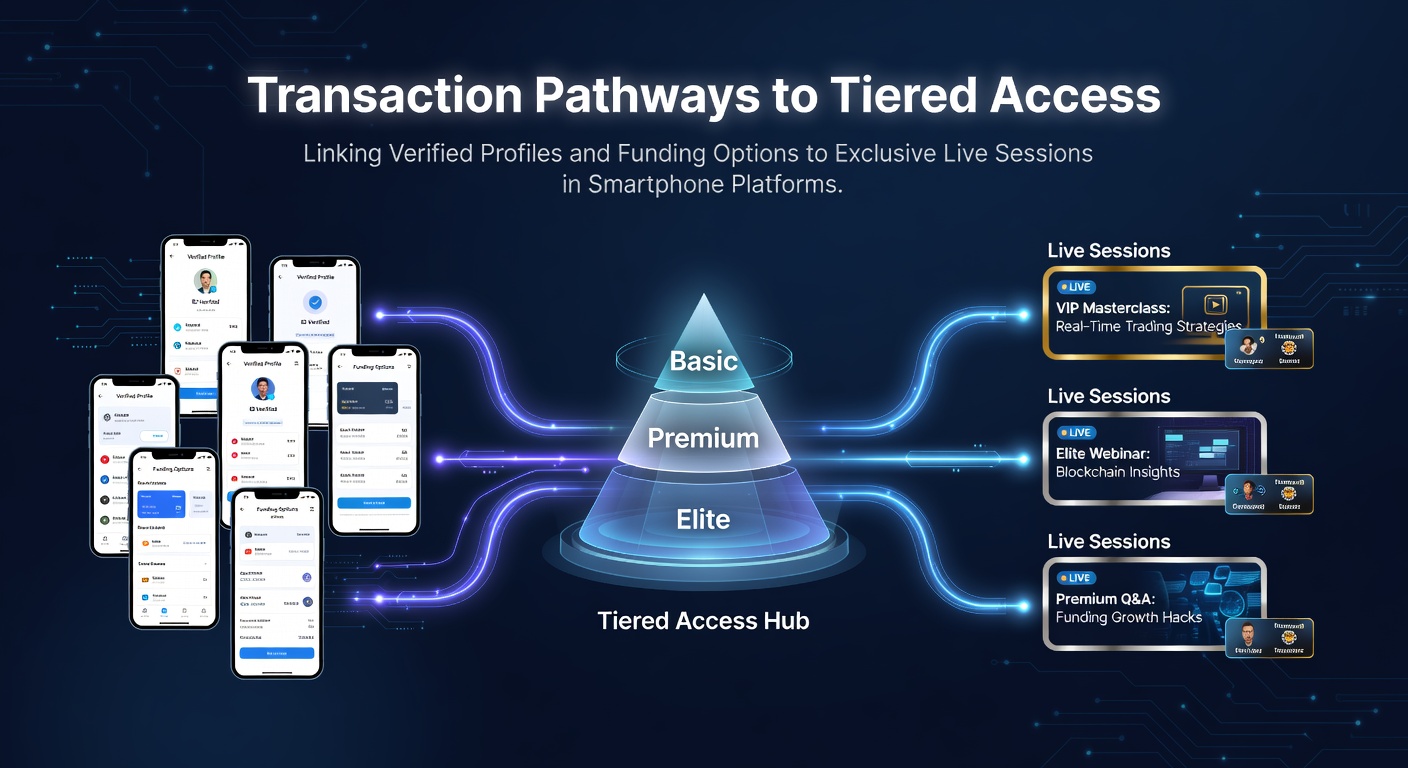
Smartphone platforms have developed structured systems that connect verified user profiles with multiple funding mechanisms, and these pathways determine eligibility for exclusive live sessions offered at different access tiers. Observers note that profile verification typically begins with identity confirmation steps that include document uploads and biometric checks, while funding options range from digital wallets to bank transfers and card-based systems, each carrying distinct processing times and verification thresholds.
Profile Verification as the Foundation
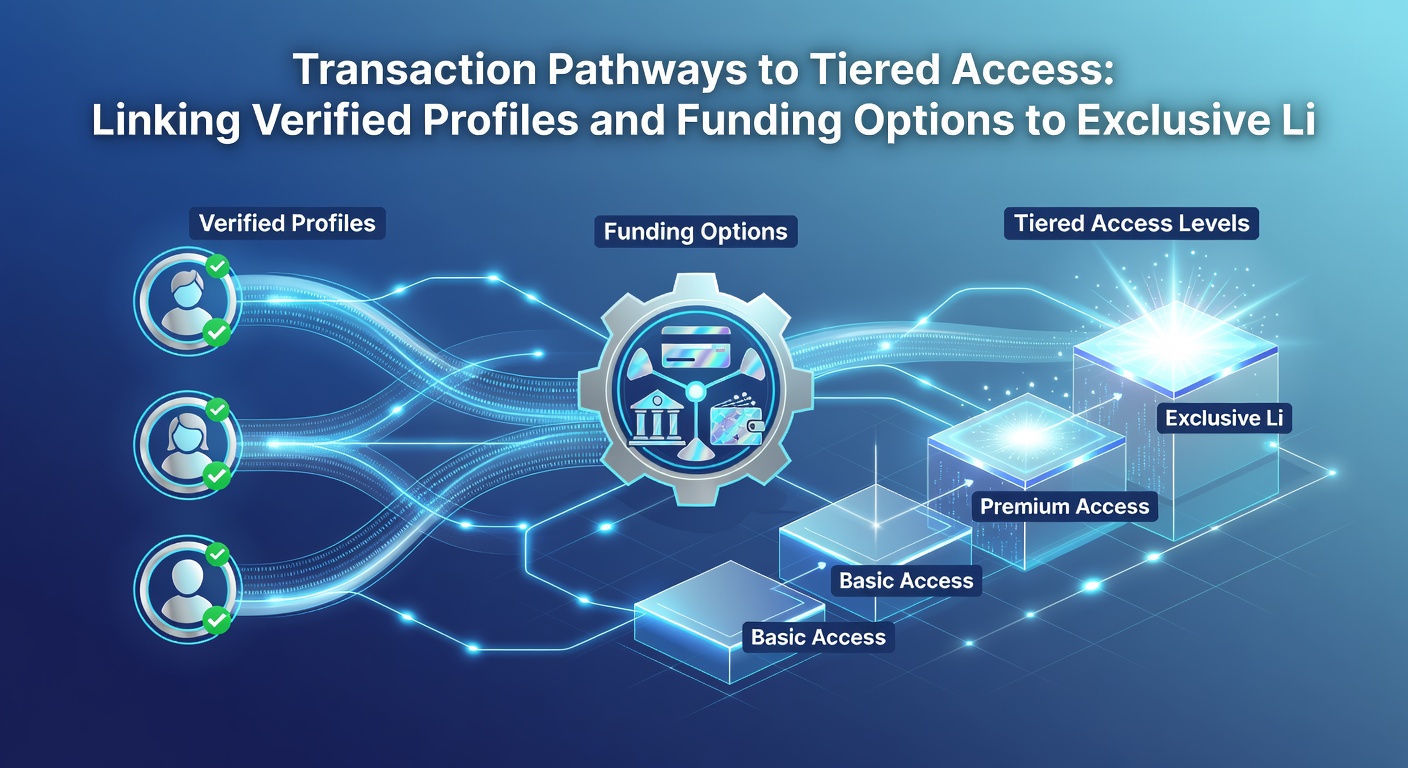
Verified profiles serve as the entry point in these ecosystems, since platforms require users to complete multi-factor authentication before any transaction pathway activates. Data from mobile technology reports indicate that verification processes often incorporate government-issued identification cross-referenced with facial recognition or fingerprint data, which reduces fraudulent account creation and establishes baseline trust scores. Those who complete verification gain access to initial platform features, yet higher tiers demand additional layers such as address confirmation or transaction history reviews.
Funding Options and Their Integration Points
Funding methods integrate directly into the verification framework, allowing users to select options that align with their desired access level. Bank-linked transfers provide higher limits but require longer settlement periods, whereas instant digital wallet deposits enable quicker progression to premium features. Research conducted by academic institutions shows that platforms frequently apply risk-based algorithms to funding sources, elevating users who demonstrate consistent payment patterns to elevated tiers without manual intervention. As of June 2026, industry figures reveal that integrated payment rails in major smartphone operating systems have reduced average transaction approval times by nearly forty percent compared with earlier implementations.
Tiered Access Structures
Access tiers operate through graduated privilege systems where each level unlocks specific live session categories. Basic tiers grant entry to public streams, while mid-level access opens moderated group sessions and premium tiers reserve private interactions with featured participants. Experts have observed that these structures rely on cumulative transaction volumes and profile completeness metrics rather than single payments, creating pathways that reward sustained engagement. Platforms maintain transparent criteria lists that detail required funding amounts and verification milestones for each tier advancement.
Live sessions themselves function as the endpoint of these pathways, streamed through dedicated mobile applications that support real-time interaction tools such as chat overlays and polling features. Exclusive sessions often incorporate scheduling calendars synced with user profiles, ensuring that verified and funded accounts receive priority notifications and reservation windows unavailable to lower-tier users.
Security and Compliance Layers
Security protocols embed within every transaction step, with encryption standards applied to both profile data and payment details. Regulatory bodies such as the Federal Trade Commission have documented guidelines that encourage platforms to separate payment processing from session access controls, thereby limiting data exposure points. Compliance audits track how verification records link to funding histories, and platforms that fail to maintain these separations face operational restrictions in multiple jurisdictions.
Case Examples from Mobile Ecosystems
One documented implementation appears in educational streaming applications where users verify academic credentials, fund accounts through institutional payment portals, and unlock live seminars reserved for advanced tiers. Another example emerges in professional networking platforms that tie verified employment profiles and recurring subscription funding to private roundtable sessions with industry leaders. Researchers at MIT have analyzed these models and reported that tier progression correlates strongly with verified transaction consistency across user cohorts spanning multiple regions.
Future Developments Projected Through 2026
Platform developers continue refining these pathways by introducing programmable funding rules that automatically adjust tier eligibility based on real-time profile updates. Integration with emerging digital identity standards promises to streamline verification across multiple smartphone applications, reducing redundant steps for users who maintain consistent funding sources. Observers expect continued expansion of cross-platform session sharing, where access earned on one device carries over to additional verified accounts within the same ecosystem.
Conclusion
Transaction pathways that link verified profiles and funding options to exclusive live sessions represent an established architecture within smartphone platforms, supported by layered verification, algorithmic tier management, and regulatory oversight. These systems evolve through incremental improvements in processing speed and security integration, delivering structured access that scales with user engagement and compliance adherence.