Tracing Transaction Timelines: How Funding Route Choices Accelerate Tier Ascents While Shaping Access to Multiplier Mechanics and Real-Time Dealer Sessions
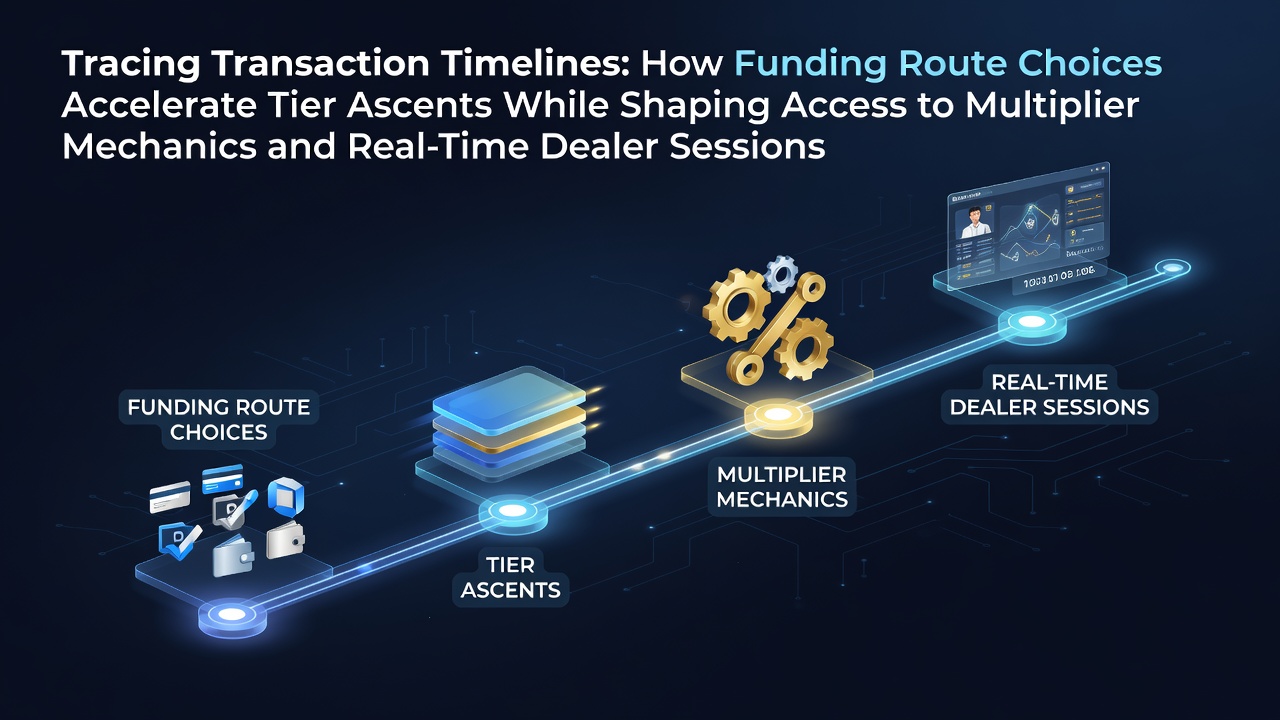
Payment processing speeds in digital gaming environments determine how quickly users progress through loyalty structures and unlock specialized features such as multiplier systems alongside live dealer environments. Observers in the sector note that funding route selections create measurable differences in account verification times and reward eligibility windows, particularly when platforms integrate instant confirmation protocols with tiered progression algorithms.
Mapping the Core Elements of Transaction Timelines
Transaction timelines begin at the moment a deposit initiates and extend through authorization, settlement, and integration with player profiles. Data from multiple gaming jurisdictions indicates that routes relying on direct bank transfers often require 24 to 72 hours for full clearance, whereas e-wallet and cryptocurrency options frequently complete within minutes. These variances matter because many platforms tie immediate tier credit and feature access to settled balances rather than pending amounts, according to reports compiled by the Nevada Gaming Control Board in early 2026.
How Funding Routes Influence Tier Progression Rates
Accelerated tier ascents occur when funding methods align with platform incentives that award loyalty points upon confirmed deposits. Researchers tracking player behavior across North American and European markets have documented cases where instant-payment users reached mid-tier status 30 to 40 percent faster than those using slower bank channels. What's interesting is that certain operators apply multipliers to loyalty accumulation only after funds clear, which effectively rewards faster routes with compounded point gains and earlier access to exclusive tables or enhanced reward catalogs.
Multiplier Mechanics and Their Dependency on Settlement Speed
Multiplier mechanics typically activate once a player meets deposit thresholds and maintains active status within defined periods. Studies conducted by the Australian Gambling Research Centre reveal that accounts funded through instant routes gain earlier entry to multiplier-enhanced sessions, sometimes within the same hour of deposit, while traditional methods delay activation until the next business day. This timing gap shapes overall return potential because multipliers applied during live play compound across consecutive spins or bets, and delayed access reduces the window for optimal utilization before promotional periods expire.
Access Patterns to Real-Time Dealer Sessions
Real-time dealer sessions often require verified balances and minimum tier levels before entry becomes available. Platforms enforce these gates to manage table capacity and regulatory compliance, with data released in June 2026 by the Malta Gaming Authority showing that instant-funding players secure reservations at premium tables more consistently than those awaiting bank clearance. Observers note that session availability fluctuates during peak hours, and faster transaction confirmation allows users to bypass waitlists tied to pending deposits, thereby increasing participation rates in time-sensitive events that offer additional loyalty bonuses.
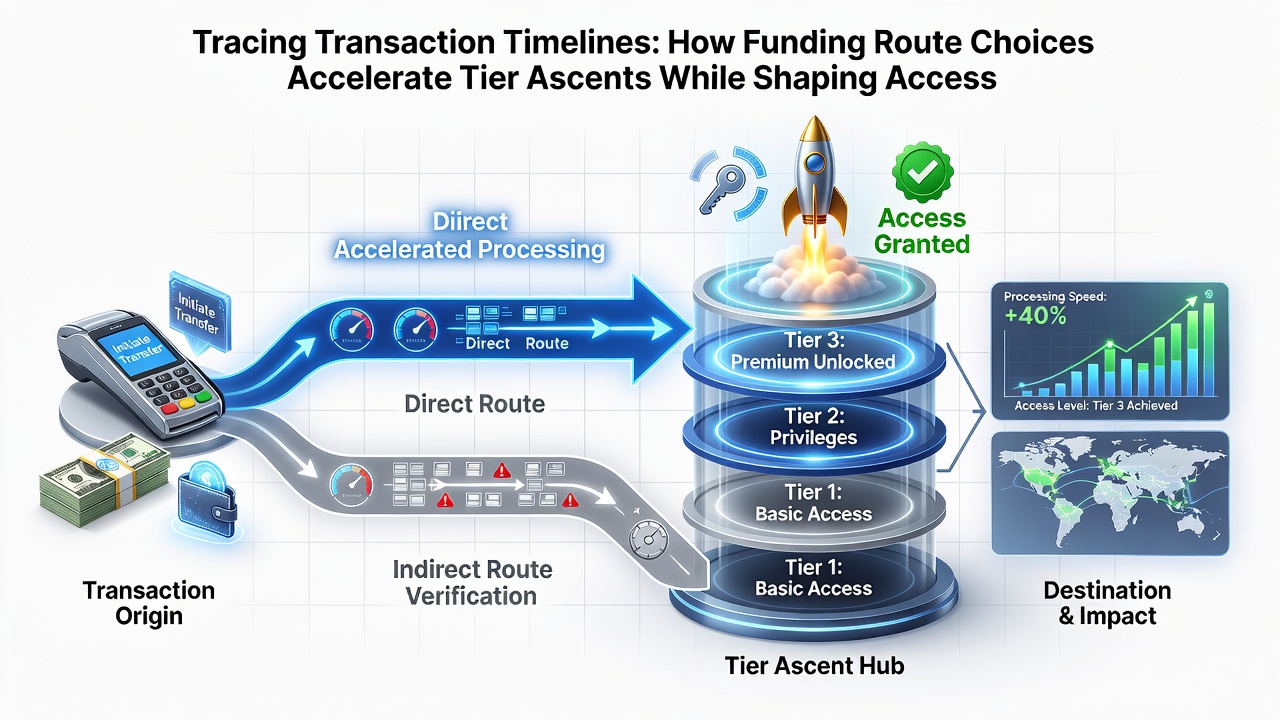
Geographic differences further complicate these patterns. In Canadian provincial frameworks, certain operators link live session eligibility directly to deposit verification timestamps, creating situations where cryptocurrency users bypass standard delays entirely. European operators following similar models report parallel outcomes, where funding choice directly correlates with the frequency of live participation and subsequent tier movement.
Regulatory and Operational Factors Shaping Route Effectiveness
Regulatory frameworks across jurisdictions establish baseline requirements for transaction monitoring and player verification that indirectly affect how quickly funding routes translate into tier benefits. Industry analyses from the University of Nevada Gaming Research Center highlight that operators must balance speed with anti-money-laundering protocols, leading some platforms to prioritize certain payment channels for expedited processing. Those who've examined operational logs find that e-wallet integrations often satisfy compliance checks faster due to built-in identity verification layers, which in turn accelerates the entire chain from deposit to feature access.
Conclusion
Transaction timelines created by different funding routes produce measurable effects on tier advancement speed, multiplier activation windows, and availability of real-time dealer sessions. Data consistently shows that methods offering rapid settlement align more closely with platform systems that reward immediate balance confirmation, while slower routes extend the interval before users gain equivalent benefits. As platforms continue refining these integrations, the relationship between payment choice and feature access remains a central element in how players experience progression mechanics across digital gaming environments.