Tracing Payment Pathways That Inform Reel Assessments and Unlock Live Table Tier Benefits
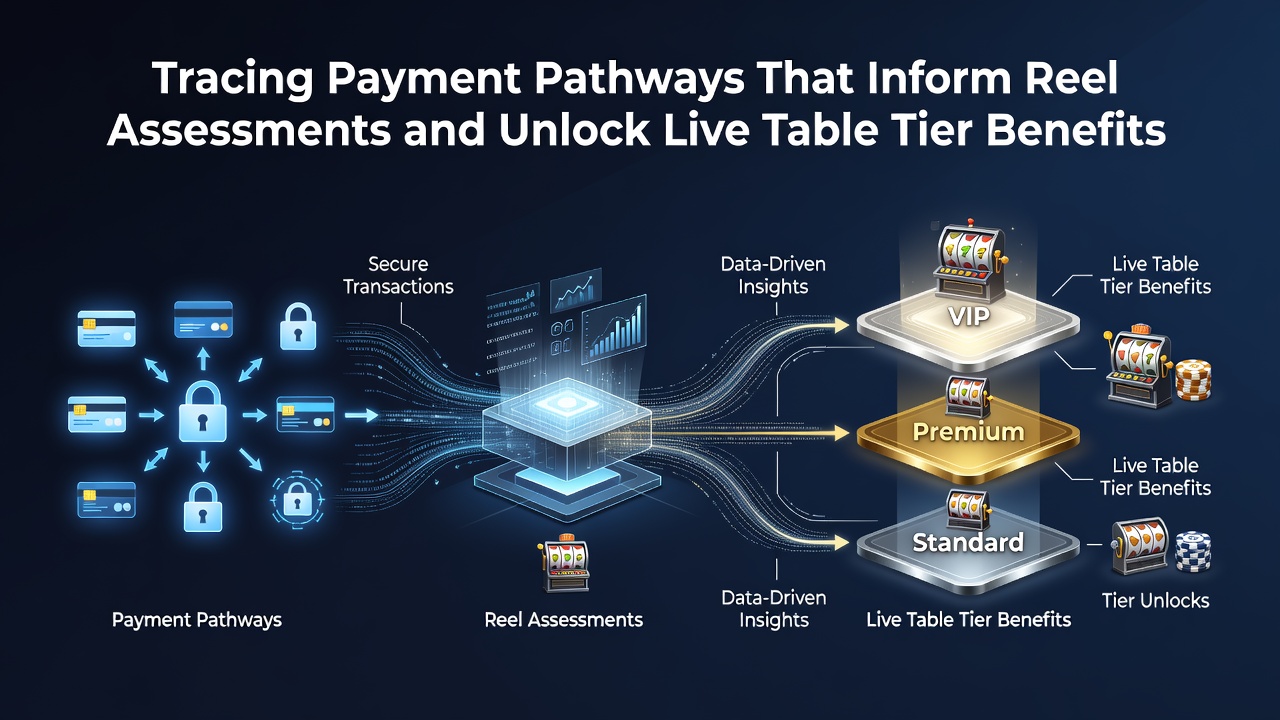
Payment pathways in digital gaming environments create direct links between transaction records and both slot machine assessments along with live dealer program advancements, where each deposit method leaves traceable data that platforms use to refine game recommendations and adjust loyalty structures. Observers note that these flows begin at the point of funding, whether through digital wallets, bank transfers, or card networks, and extend into analytics systems that evaluate reel performance metrics such as hit frequency and payout distribution patterns.
Payment Methods and Their Data Trails
Digital wallets and instant transfer services generate detailed logs that include timing, amount, and frequency, which operators cross-reference with player activity on specific reel titles to determine how those games perform under real-money conditions. Research from the American Gaming Association indicates that platforms in regulated markets track these details to update internal assessment models for slot mechanics, allowing adjustments to volatility ratings based on aggregated transaction outcomes rather than simulated results alone. Those who study transaction patterns find that e-wallet users often show higher session continuity on medium-volatility reels, while card-based deposits correlate with shorter but more frequent reel interactions across multiple titles.
Connecting Deposits to Reel Evaluations
Reel assessments rely on payment-derived data points that reveal actual engagement levels, such as the average bet size per spin and the intervals between funding events, which inform how operators categorize games for different player segments. Data shows that when payment pathways indicate steady deposit patterns, platforms elevate certain reel titles in recommendation engines, highlighting features like stacked symbols or bonus round triggers that align with observed spending behaviors. This process operates through backend algorithms that process payment metadata alongside game logs, producing updated performance scores that influence visibility in mobile interfaces without requiring manual reviews for every title.
June 2026 reports from multiple jurisdictions documented increased integration of real-time payment analytics into slot evaluation frameworks, where operators in North American and European markets refined their models to account for cryptocurrency transfers and their impact on reel session lengths. These updates allowed platforms to identify which reel configurations sustained longer play periods when funded through specific channels, leading to more precise placement of games within promotional rotations.
Unlocking Live Table Tier Benefits Through Transaction Insights
Live dealer tier systems draw from the same payment pathways to calculate eligibility for benefits such as dedicated table access, reduced rake structures, and personalized game invites, with deposit consistency serving as a primary input metric. Analysts observe that players whose payment histories demonstrate regular funding intervals advance through tiers more rapidly, as the data feeds directly into loyalty algorithms that prioritize sustained activity over one-time high-value deposits. This linkage ensures that tier progression reflects ongoing financial engagement patterns rather than isolated transactions, creating a feedback loop where payment reliability informs both access to premium live tables and the customization of those experiences.
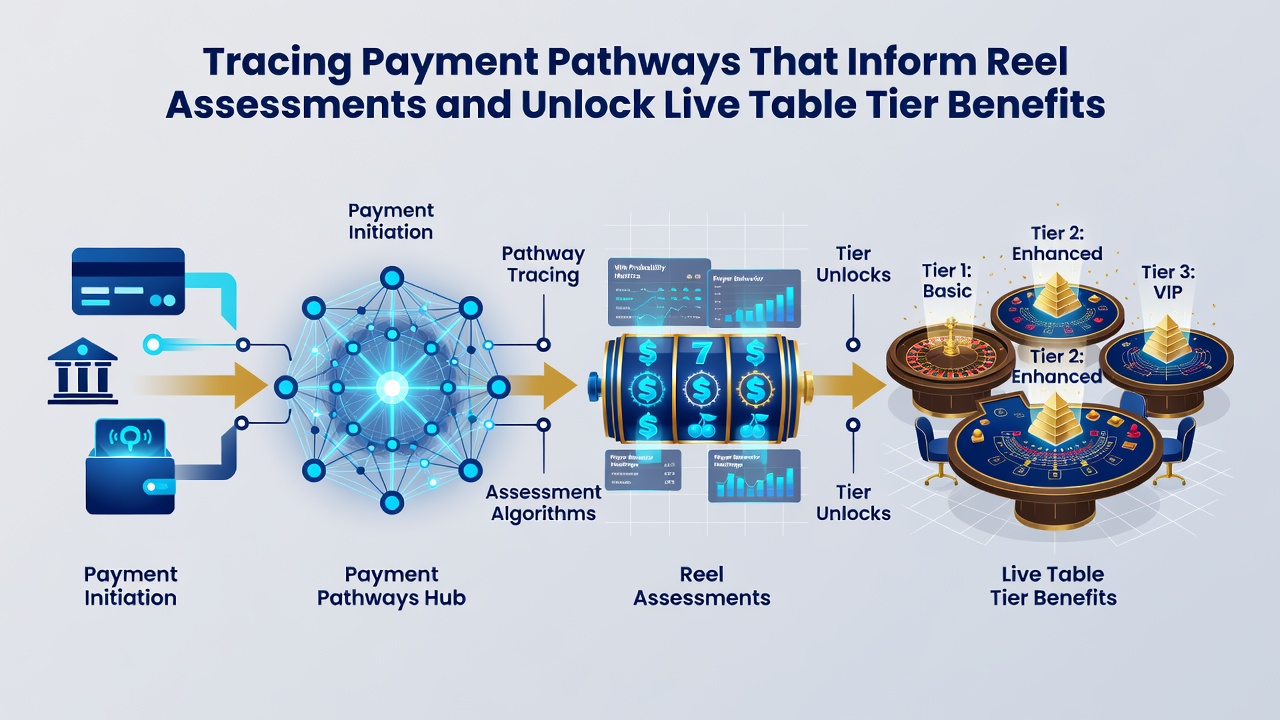
Industry data compiled by research institutions across Australia reveals that payment pathway transparency correlates with faster tier unlocks in live dealer environments, particularly when platforms integrate multi-channel funding options that allow seamless transitions between slot play and table sessions. Those who examine these systems note that the transition from reel assessments to live table benefits occurs when payment data flags consistent reel engagement, prompting automatic tier reviews that can occur within hours of qualifying deposit activity.
Regulatory Frameworks and Pathway Standards
Regulatory bodies in regions such as the Netherlands and Canada have established guidelines requiring operators to maintain clear records of payment flows that support both game evaluation processes and loyalty program determinations. These standards emphasize data accuracy in linking deposits to reel performance metrics and tier qualification criteria, ensuring that assessment models remain verifiable through transaction histories. Platforms operating under such frameworks must demonstrate how payment information contributes to reel categorization updates and live dealer benefit allocations, with periodic audits confirming the integrity of these connections.
What's interesting is how these requirements have prompted development of unified tracking systems that combine payment logs with game outcome data, allowing operators to generate reports that satisfy compliance needs while simultaneously refining internal assessment tools for slots and tables alike. Evidence suggests that jurisdictions adopting these integrated approaches see more consistent application of tier benefits across player bases, as the underlying payment data provides a standardized foundation for advancement decisions.
Practical Implementation in Mobile Environments
Mobile platforms apply these payment-informed processes through app-based interfaces that display updated reel recommendations and tier status notifications immediately following confirmed deposits. Users encounter adjusted game rankings based on how their chosen payment method aligns with broader patterns observed across the platform, while live table tier indicators reflect teh same transaction data in real time. This creates an environment where payment choices influence both the types of reels presented and the speed at which live dealer privileges become available, all processed through automated systems that require no separate user input beyond the initial funding action.
According to findings from the University of Sydney's Gambling Treatment and Research Clinic, mobile payment integration has accelerated the rate at which transaction data informs dual-purpose assessments covering both reel mechanics and live table tiers. The study highlighted cases where platforms adjusted tier thresholds based on payment channel performance, resulting in more granular benefit structures that account for variations in deposit speed and verification requirements across different methods.
Conclusion
Payment pathways function as foundational elements that simultaneously shape reel assessments and determine access to live table tier benefits through interconnected data systems. As operators continue to refine these connections under evolving regulatory expectations, the role of transaction records in driving both game evaluations and loyalty advancements remains central to platform operations. Those who monitor these developments note ongoing improvements in how payment information translates into actionable insights for slot categorization and live dealer program enhancements across global markets.