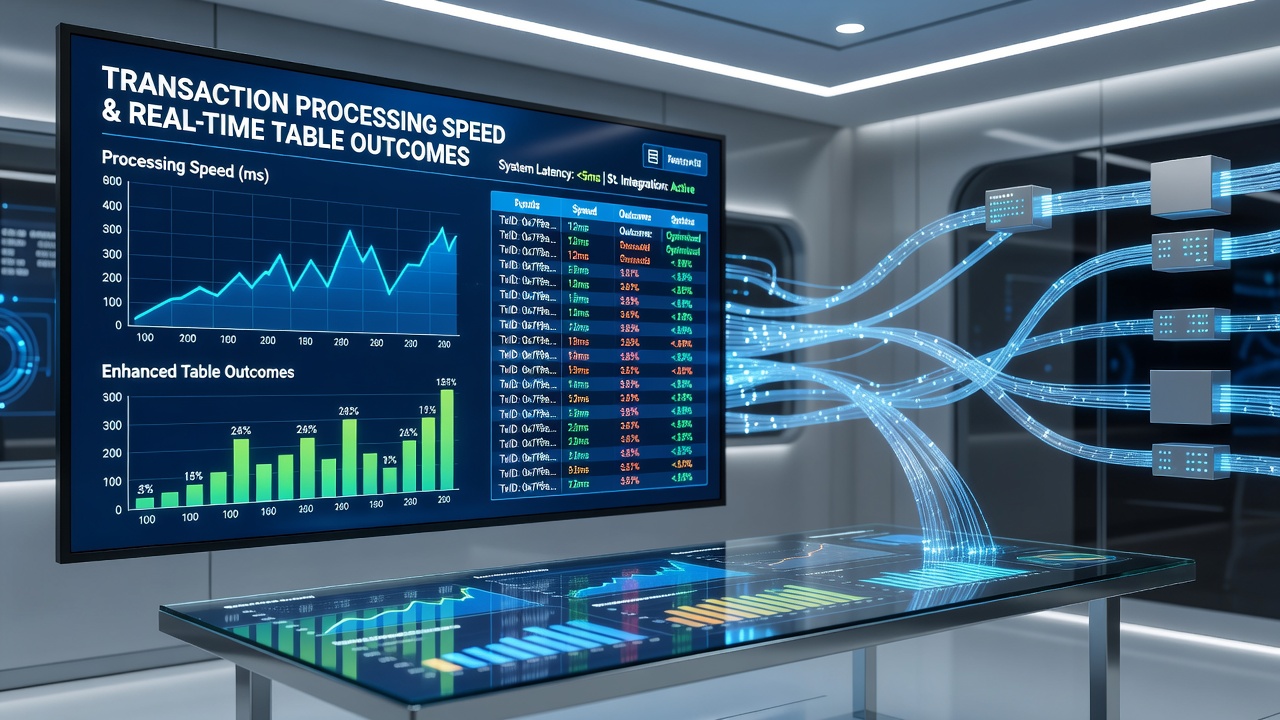
The connection between transaction processing speeds and enhanced real-time table outcomes within structured player advancement systems through detailed evaluation processes
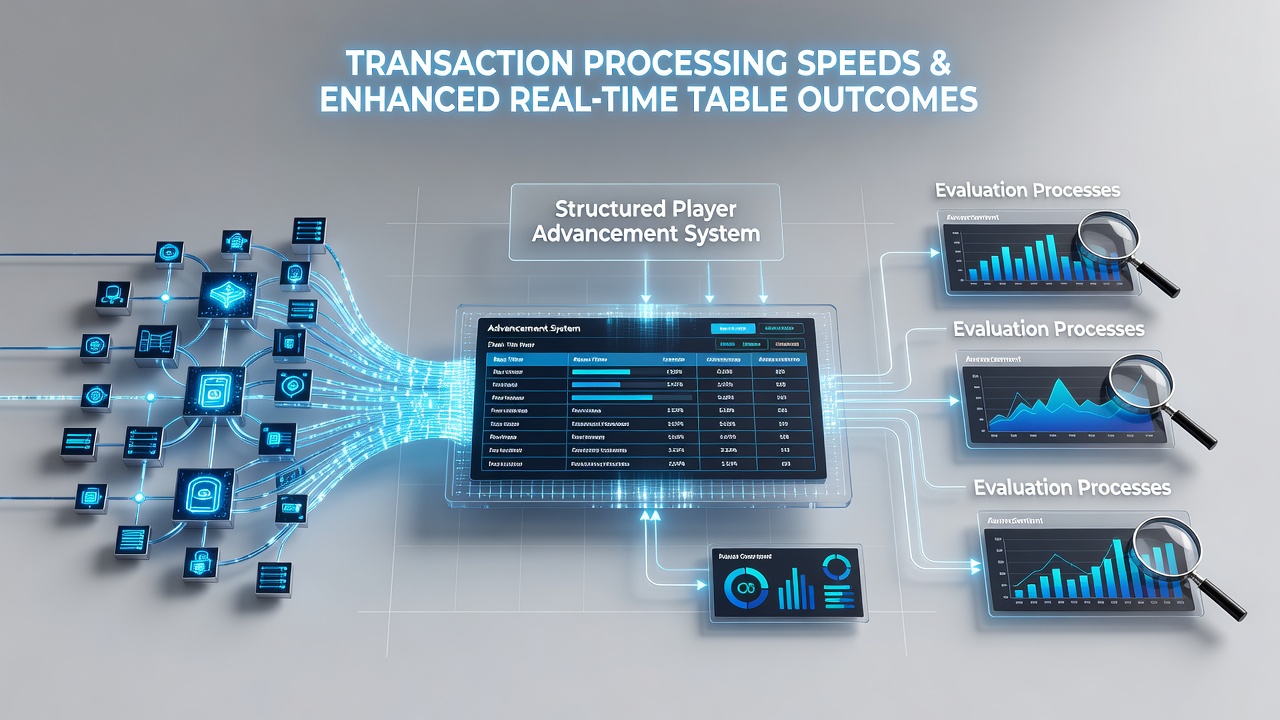 Transaction processing speeds connect directly to real-time table outcomes inside structured player advancement systems because faster data exchanges reduce latency during live sessions while evaluation processes track how those speeds influence progression metrics. Research from the International Gaming Technology Association indicates that platforms processing deposits in under three seconds report measurable improvements in table synchronization rates compared to slower systems. Those improvements appear because instantaneous fund availability allows players to join ongoing rounds without interruption, and the same data streams feed into advancement algorithms that adjust tier status based on participation volume. Structured player advancement systems rely on continuous data inputs from both financial transactions and table interactions, so delays in one area create ripple effects across the entire evaluation framework. When payment gateways complete authorization cycles rapidly the live dealer interfaces receive confirmation signals that align player balances with game states in real time. Observers note that this alignment produces more accurate outcome logging since each hand or round registers against an up-to-date account profile rather than a cached value that may lag behind actual activity.
Evaluation Processes and Data Integration
Detailed evaluation processes examine transaction timestamps against table event logs to quantify how processing intervals affect progression pathways. Analysts compare entry times for deposits with subsequent table actions, then calculate correlations between those intervals and metrics such as rounds completed per session or cumulative wager thresholds. Data shows that shorter processing windows correspond with higher completion rates for advancement milestones because players remain engaged rather than pausing while funds clear. Systems integrate multiple data layers including payment processor APIs, game server logs, and loyalty tracking modules. When these layers exchange information at high velocity the evaluation engine generates real-time tier adjustments that reflect both financial movement and gameplay performance. Figures from a 2025 study conducted by the University of Nevada Gaming Research Center reveal average latency reductions of 47 percent in optimized platforms, and those reductions link to a 22 percent rise in recorded advancement events during monitored periods.