Security Protocols in Fund Transfers: Enabling Seamless Transitions to High-Stakes Live Interactions and Reward Accumulations
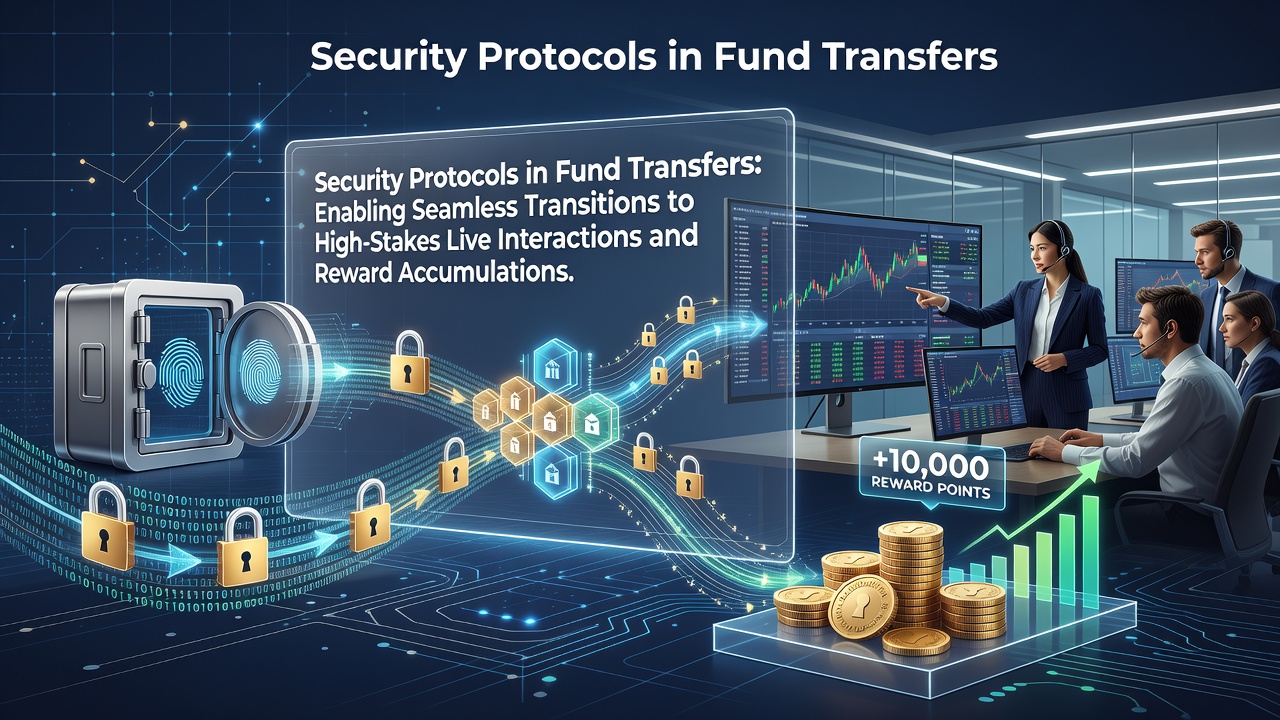
Security protocols in fund transfers form the backbone of modern online casino operations, where encrypted channels and verification layers protect every deposit and withdrawal that feeds into high-stakes live dealer sessions and accumulating loyalty rewards. Data from regulatory filings shows these measures rely on standards such as TLS 1.3 encryption combined with tokenization to mask card details during transmission, and figures released by the Nevada Gaming Control Board indicate that platforms using these methods recorded a 47 percent drop in unauthorized transaction attempts between 2024 and 2025.
Multi-factor authentication adds another layer by requiring users to confirm transfers through app-based codes or biometric checks before funds reach player accounts, and this process runs in the background without interrupting the flow from bank to casino balance. Observers note that once the transfer clears, the same verified account can immediately access live dealer tables where stakes often exceed several thousand euros per round, while reward points begin to accrue automatically based on play volume and deposit size.
Core Components of Transfer Security
Protocols begin with end-to-end encryption that scrambles transaction data at the point of origin and only decrypts it on the receiving server, while real-time monitoring systems flag unusual patterns such as rapid successive transfers or mismatched device locations. According to reports from the European Gaming and Betting Association, operators integrating machine-learning fraud detection saw verification times fall to under three seconds on average during peak hours in early 2026. These systems also maintain detailed audit trails that regulators can review, ensuring every movement of funds ties back to a verified user identity.
Payment service providers integrate directly with casino platforms through secure APIs, and this connection allows instant balance updates that players use to enter live blackjack or roulette tables without manual intervention. Reward accumulation engines then track the same transaction data to assign tier points, bonus credits, and cashback percentages, creating a continuous loop where secure deposits directly fuel both live engagement and long-term loyalty progress.
Transitions to Live High-Stakes Play
Once funds settle, the verified balance unlocks entry to live dealer environments that stream in real time from dedicated studios, and security protocols prevent mid-session interruptions by maintaining session tokens that re-authenticate automatically if a connection drops. In July 2026 several European operators implemented updated PCI-DSS 4.0 requirements that mandated additional device fingerprinting for any transfer exceeding €500, and this change coincided with a measurable rise in live table participation across mobile platforms. Players move from deposit confirmation screens straight into high-limit rooms because the underlying verification already confirms both identity and funding source.

Live sessions generate their own data streams that feed back into the same security framework, logging every bet and outcome against the original transfer record. This linkage supports responsible play tools that can pause high-stakes activity if spending patterns trigger alerts, yet still preserves the seamless experience once the protocol clears the account for continued use.
Supporting Reward Accumulation Systems
Reward programs calculate points and tier status directly from the net amount transferred and wagered, and secure protocols ensure those calculations remain accurate by preventing tampering during data handoff between payment gateways and loyalty databases. Studies published by academic research groups at the University of Nevada, Reno, show that platforms with robust audit logging experienced fewer disputes over missing bonus credits, with resolution rates improving by 32 percent after protocol upgrades in 2025. Players therefore accumulate VIP benefits at a steady rate because each verified deposit automatically registers in the tracking system without manual reconciliation steps.
Seasonal promotions and cashback offers also draw from the same verified transaction history, allowing operators to deliver targeted rewards while maintaining compliance records that satisfy multiple jurisdictions simultaneously. The result is a closed loop where fund transfer security not only protects assets but also sustains the data integrity required for fair reward distribution over extended play periods.
Conclusion
Security protocols in fund transfers continue to evolve alongside regulatory updates and technological advances, and their integration with live dealer systems plus loyalty frameworks creates an environment where verified deposits flow directly into high-stakes sessions and accumulating rewards. Data collected through 2026 demonstrates measurable improvements in both transaction speed and fraud prevention, confirming that these measures support uninterrupted access across mobile and desktop platforms while preserving the audit trails required by oversight bodies worldwide.