Mapping Financial Transaction Routes to Enhanced Status Levels in Dynamic Table Games, Guided by Reel Assessment Discoveries
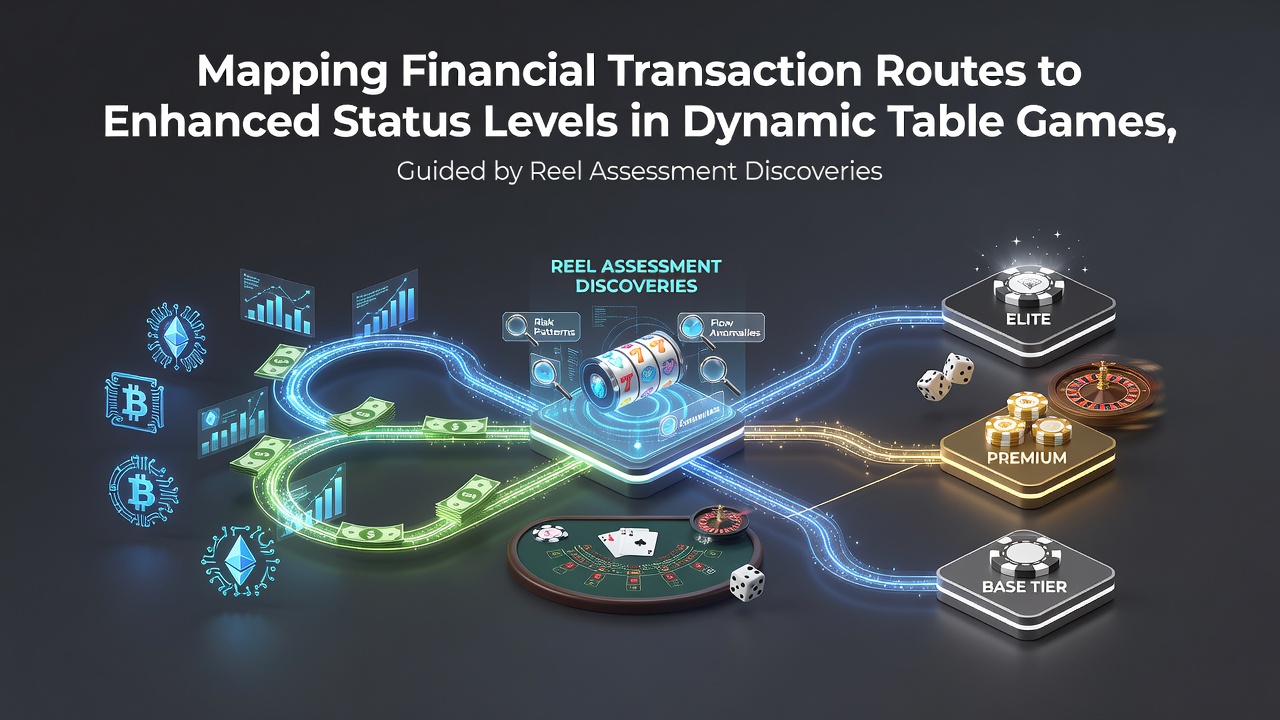
Financial transaction routes in dynamic table games follow structured pathways that connect initial deposits and wagers to elevated status levels within casino loyalty frameworks, and reel assessment discoveries from slot machines supply analytical models that refine these mappings. Data from multiple jurisdictions shows that operators apply pattern recognition techniques developed through reel evaluations to track player activity in games such as blackjack and roulette where rule variations occur in real time.
Core Elements of Transaction Route Mapping
Transaction routes begin with registration and deposit steps that establish baseline accounts, then progress through bet volumes, session durations, and win-loss ratios that trigger status reviews. Observers note that dynamic table games adjust parameters like minimum bets or side wager availability based on current player tiers, which in turn influences how quickly transactions accumulate toward higher levels. Research from the University of Nevada Reno indicates that integrated tracking systems record each financial movement with timestamps and game identifiers, creating datasets that reveal correlations between transaction frequency and status advancement.
Reel Assessment Discoveries and Their Application
Reel assessment in slot machines examines symbol distribution, payout frequencies, and volatility metrics to optimize game performance, and these same analytical approaches transfer to table game environments where they help identify efficient transaction sequences. Analysts apply clustering algorithms originally refined on reel data to segment player behaviors in live dealer settings, allowing operators to predict when a series of deposits and bets will meet criteria for status upgrades. Figures from industry reports released in June 2026 highlight that casinos using these cross-game models reduced the average time to elite tier attainment by measurable percentages compared with earlier manual review processes.
Dynamic elements in table games such as changing deck penetration or bonus round triggers create variable transaction environments, whereas reel-based insights supply stable reference points for mapping consistency. Those who study these systems find that volatility measures from slots help calibrate risk thresholds in table game promotions, which then guide how status points accrue during high-variance sessions.

Integration of Regulatory Data and Operational Practices
Regulatory bodies in Nevada maintain public records on transaction reporting requirements that operators must follow when linking financial activity to loyalty programs, and similar frameworks exist in other regions. Nevada Gaming Control Board reports document the technical standards for audit trails that support status level calculations, while Australian research centers have published parallel findings on cross-game analytics. These sources demonstrate that reel assessment methodologies improve the precision of route mapping by identifying outlier transaction patterns that manual systems might overlook.
Operators implement software layers that ingest both slot and table game data streams, then apply decision trees derived from reel studies to recommend status adjustments. Evidence from operational case studies shows that such integrations allow real-time updates during live sessions, where a player's cumulative wagers in dynamic table formats can shift tier eligibility within a single evening.
Practical Outcomes in Current Operations
In June 2026, several major properties reported expanded use of these mapping techniques across hybrid gaming floors that combine physical tables with digital interfaces. Transaction logs processed through reel-informed models produced clearer visibility into how deposit timing and game selection accelerate progress toward enhanced status. Researchers at institutions studying gambling systems have confirmed that the resulting datasets support more accurate forecasting of player lifetime value without altering the underlying game mathematics.
Table game environments that incorporate live dealer variations benefit particularly from these discoveries because the added randomness mirrors slot volatility patterns already quantified in reel assessments. Consequently, status elevation algorithms can weight financial transactions according to game phase rather than treating all wagers uniformly.
Conclusion
Mapping financial transaction routes to enhanced status levels in dynamic table games relies on reel assessment discoveries to supply consistent analytical tools across game types. Data collected through regulatory channels and academic studies continues to refine these processes, while operational implementations in 2026 demonstrate measurable improvements in tracking accuracy. The approach connects deposit sequences, bet patterns, and status reviews into coherent pathways that operators manage through shared data frameworks.