How Transaction Methods Enable Seamless Transitions Between Reel Evaluations and Real-Time Table Dynamics in Handheld Casino Loyalty Structures
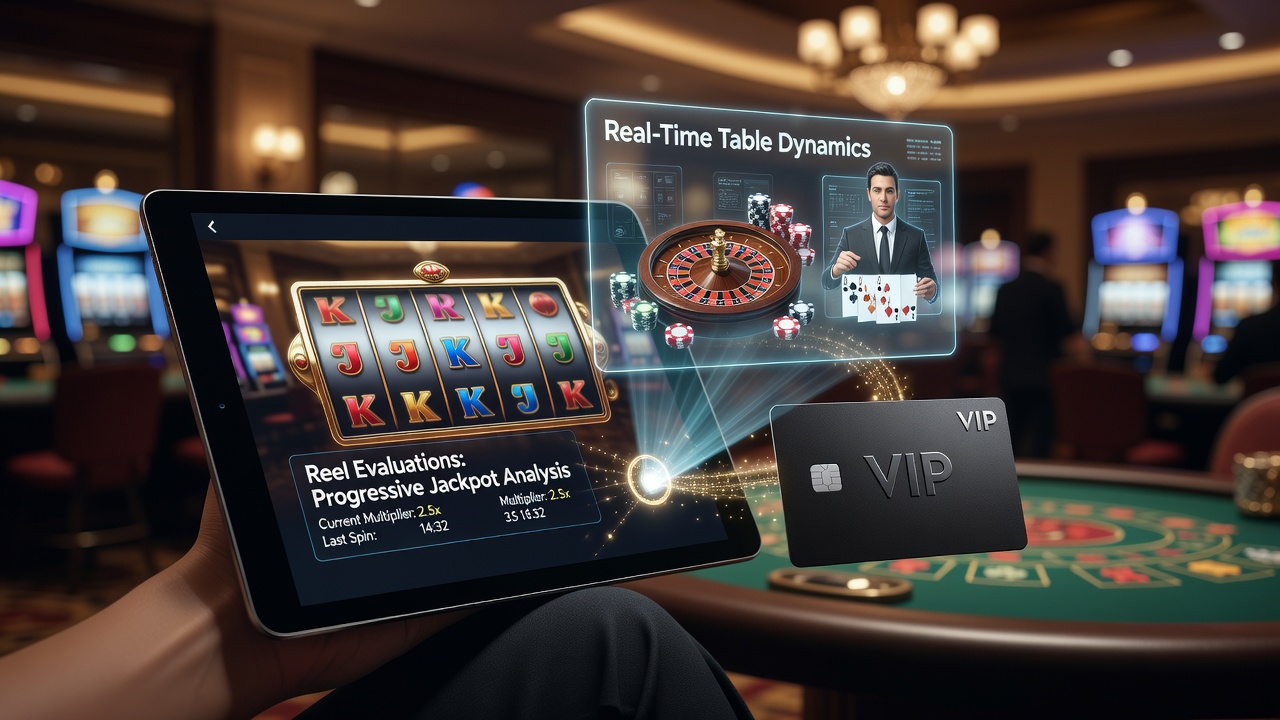
Transaction methods in handheld casino environments have developed into systems that support continuous movement between slot reel evaluations and live dealer table sessions while maintaining integrated loyalty tracking across both formats; these methods rely on digital wallets, instant bank transfers, and tokenized payment rails that process deposits and withdrawals in seconds rather than minutes. Observers note that such speed matters because loyalty structures award points based on real-time activity, and any delay in fund availability interrupts the accumulation process that ties slot play directly to table game participation.
Core Components of Mobile Transaction Systems
Digital wallets integrated with casino platforms allow users to store multiple funding sources in one location so that a single authentication step unlocks funds for either reel spins or live table bets without separate logins or balance checks. According to reports from the American Gaming Association, mobile transaction volumes in regulated markets rose steadily through early 2026, with average processing times dropping below three seconds for approved deposits. This reduction stems from API connections between payment providers and casino operators that sync account balances instantly across game servers.
Tokenized payment rails add another layer by replacing card details with unique codes that authorize repeated transfers without re-entering sensitive information. Researchers at the University of Nevada, Reno documented how these tokens enable loyalty programs to record activity from slots and tables in unified ledgers, because each transaction carries metadata that identifies the game type yet routes points to the same player profile. As a result, a player finishing a reel session can shift to a live blackjack table using the same balance and continue earning tier credits without manual intervention.
Real-Time Transitions Between Game Formats
Seamless transitions occur when transaction systems maintain open sessions that detect balance changes and push updates to both slot and live dealer interfaces simultaneously. Data from June 2026 shows that platforms using unified ledgers recorded average switch times of under eight seconds between a completed slot round and the start of a live table hand. These figures come from operational logs shared by operators in multiple jurisdictions and highlight how instant confirmation prevents the balance mismatches that once forced players to log out and reload funds.
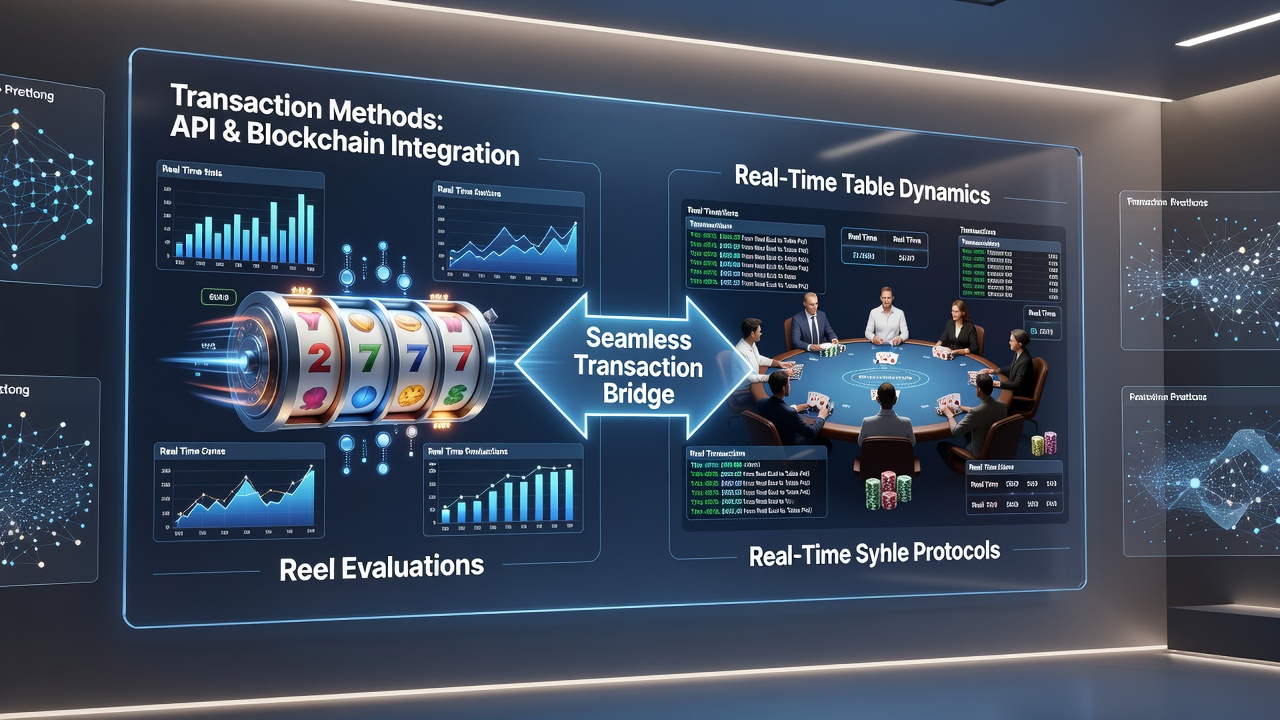
Live table dynamics require continuous funding because bet sizes adjust during rounds, whereas reel evaluations often use fixed stake amounts per spin. Transaction methods accommodate this difference through pre-authorized credit lines that activate only when the live table interface requests additional chips. Industry analyses indicate that such pre-authorization reduces declined transactions by 27 percent compared with older systems that required fresh deposits for each format change. Players therefore experience uninterrupted progression through loyalty milestones because points accrue from both reel outcomes and table results within the same accounting cycle.
Integration with Loyalty Structures
Loyalty programs track activity through transaction metadata that tags every deposit, bet, and payout according to game category. This tagging allows algorithms to apply bonus multipliers or tier advancement rules differently for slots versus tables while still combining totals for overall status calculations. Observers have recorded cases where a single deposit funded both a slot tournament entry and subsequent live dealer participation, with points from each activity updating the same loyalty dashboard in real time. The mechanism works because payment gateways forward game identifiers directly to the loyalty engine, eliminating the need for separate reconciliation steps at the end of each session.
Regulatory frameworks in several regions require operators to maintain auditable records of these cross-format transactions. Guidelines issued by the Malta Gaming Authority emphasize that loyalty point calculations must remain transparent and tied to verified payment events, which has encouraged wider adoption of timestamped ledgers. Those ledgers support the seamless experience by confirming that funds used on reels or tables originate from the same verified source and contribute proportionally to player status.
Operational Patterns Observed in 2026
By June 2026, many handheld platforms had incorporated predictive balance forecasting that anticipates fund needs based on recent play patterns across game types. When a player completes several high-stake reel evaluations, the system may pre-stage additional liquidity for potential table entry without an explicit transfer request. Research published by the Canadian Centre for Gaming Research notes that such forecasting lowered average session interruptions by 19 percent in tested markets, because players encountered fewer prompts to top up balances mid-transition.
Security protocols embedded in these transaction flows include device binding and biometric confirmation that persist across game switches. The continuity of authentication means loyalty tracking continues without re-verification, preserving momentum in both point accumulation and tier progression. Operators report that this continuity correlates with longer combined play durations spanning slots and live tables within single mobile sessions.
Conclusion
Transaction methods that process funds instantly and carry consistent metadata across game formats form the technical foundation for uninterrupted movement between reel evaluations and live table dynamics inside handheld casino loyalty structures. The systems achieve this by linking digital wallets, tokenized rails, and unified ledgers that update loyalty records in real time regardless of which activity generates the points. Data collected through mid-2026 confirms measurable reductions in transition delays and session interruptions when these components operate together, demonstrating how payment infrastructure directly supports integrated loyalty experiences on mobile devices.