Game Evaluations Informing Deposit Choices for Loyalty Escalation in Portable Live Sessions
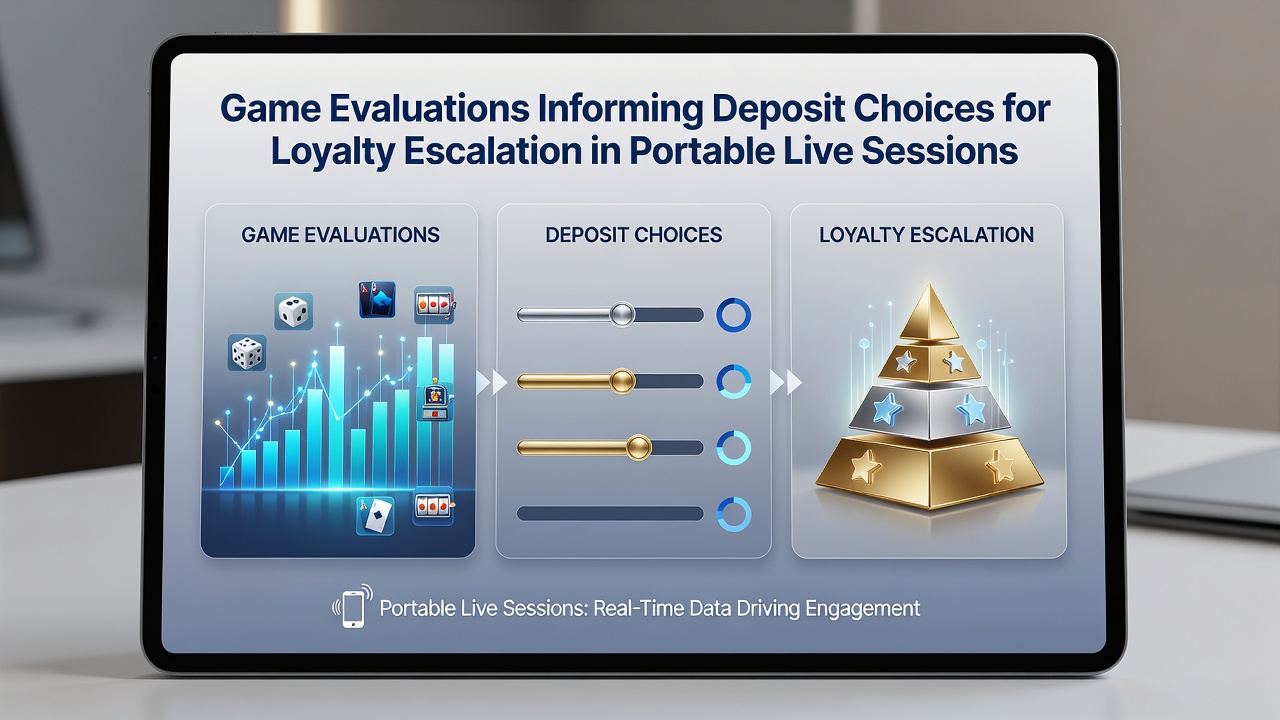
Players access detailed game evaluations before committing funds to mobile platforms that feature live dealer tables alongside slot titles, and these assessments often guide decisions on initial deposit amounts to accelerate progress through tiered loyalty structures. Data from industry tracking services indicates that participants review payout frequencies, bonus trigger rates, and volatility metrics for live sessions while factoring in how those elements align with VIP point accumulation systems on portable devices. As of June 2026 mobile operators report sustained growth in cross-device loyalty programs where evaluations of table game variants directly influence the size and timing of deposits aimed at unlocking higher reward brackets.
Mechanics Linking Evaluations to Deposit Strategies
Evaluations break down return-to-player percentages and live session mechanics such as dealer speed and betting limits, allowing users to select games that generate loyalty points at efficient rates per wagered amount. Research compiled by the Canadian Centre on Substance Use and Addiction shows correlations between informed game selection and higher retention within reward programs, particularly when deposits fund extended play on titles with documented high engagement metrics. Observers note that players compare review summaries of progressive jackpot contributions against standard live blackjack or roulette variants before finalizing transfer amounts that qualify for immediate tier credits.
Portable applications integrate review overlays that display loyalty multipliers tied to specific game categories, and this setup enables rapid calculations of required deposit volumes for escalation milestones. Figures released through the European Gaming and Betting Association reveal that structured evaluation processes precede over sixty percent of loyalty-focused deposits in markets with mature mobile infrastructures. Those who've examined transaction logs find that users frequently adjust deposit sizes upward after confirming a title's compatibility with ongoing bonus chains and point accrual formulas.
Role of Live Session Data in Tier Advancement
Live dealer evaluations emphasize elements like stream quality, interaction features, and side-bet options that contribute additional points beyond base wagers, thereby informing how much capital participants allocate during portable sessions. Studies from academic sources on digital gambling patterns demonstrate that access to granular performance data leads to more targeted deposits calibrated to reach the next loyalty threshold within defined timeframes. One analysis of user behavior patterns revealed that individuals who cross-reference multiple evaluation sources tend to structure deposits around peak live table hours when point-earning opportunities multiply through combined slot and dealer play.
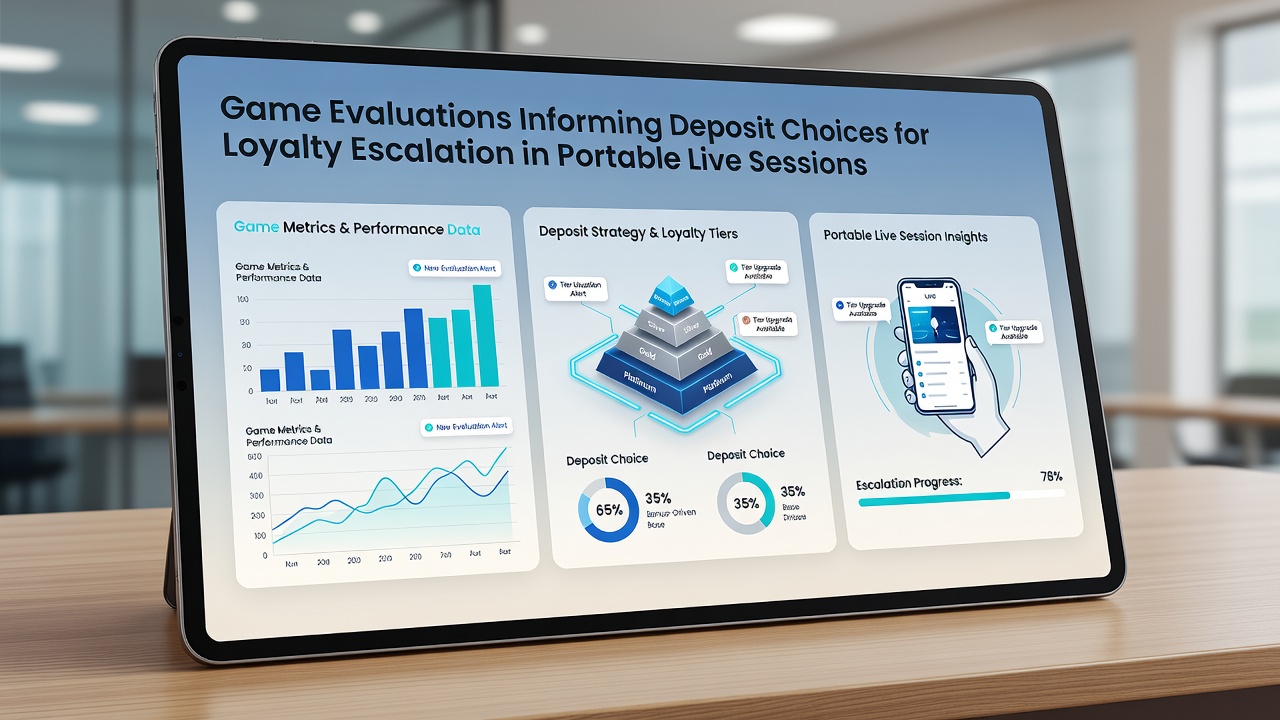
Deposit choices become strategic once evaluations highlight games that award extra loyalty credits during promotional windows or through integrated challenges, and this linkage appears consistently across operator platforms. Reports indicate that participants who prioritize reviewed titles with balanced risk profiles maintain steadier progression toward elite status compared with those depositing without prior assessment. The reality is that mobile interfaces now embed evaluation summaries directly into deposit workflows, reducing friction between research and fund commitment for loyalty purposes.
Patterns Observed Across User Cohorts
Longitudinal data sets track how repeated use of game evaluations correlates with deposit patterns that support sustained VIP climbs rather than isolated large transfers. Researchers discovered that cohorts relying on aggregated review metrics exhibit more consistent monthly deposit rhythms aligned with loyalty calendar events and live session schedules. What's significant is the emergence of evaluation-driven deposit limits that players set in advance to match projected point requirements for each tier jump.
Portable live environments amplify this dynamic because session duration directly affects point totals, prompting users to evaluate game pacing and minimum stakes before selecting deposit values that sustain longer engagements. Industry compilations show elevated activity in loyalty programs during periods when new live variants receive favorable evaluations for bonus integration and point efficiency. Those monitoring platform analytics note shifts toward smaller, evaluation-backed deposits repeated across multiple sessions as a preferred route to escalation over single large commitments.
Integration of Evaluation Tools with Payment Flows
Modern mobile systems embed evaluation dashboards alongside payment gateways so users can verify game suitability immediately before authorizing transfers intended for loyalty acceleration. This integration reduces instances of mismatched deposits that fail to advance tiers because selected games underperform according to reviewed metrics. Evidence from transaction studies suggests that platforms offering seamless evaluation-to-deposit pathways record higher completion rates for loyalty milestone achievements within set periods.
Payment processors catering to live casino segments increasingly display loyalty impact previews drawn from game evaluations, enabling informed choices on deposit size and frequency. Observers tracking these features report that users reference historical performance data for live tables and slots when determining whether a deposit will yield sufficient points for the next status level. The ball remains in the hands of operators to refine these tools as mobile participation expands through 2026 and beyond.
Conclusion
Game evaluations function as decision frameworks that connect individual title performance data with broader loyalty program requirements on portable platforms featuring live sessions. Patterns in deposit behavior reflect this connection through measured fund allocations designed to optimize point generation and tier movement. Continued development of integrated review and payment systems supports these processes by presenting relevant metrics at the moment of transaction. Data across multiple regions confirms that evaluation-informed approaches appear in a growing share of loyalty-related activity within mobile environments.