Financial Gateways and Their Role in Unlocking Varied Gaming and Loyalty Opportunities on Handheld Devices
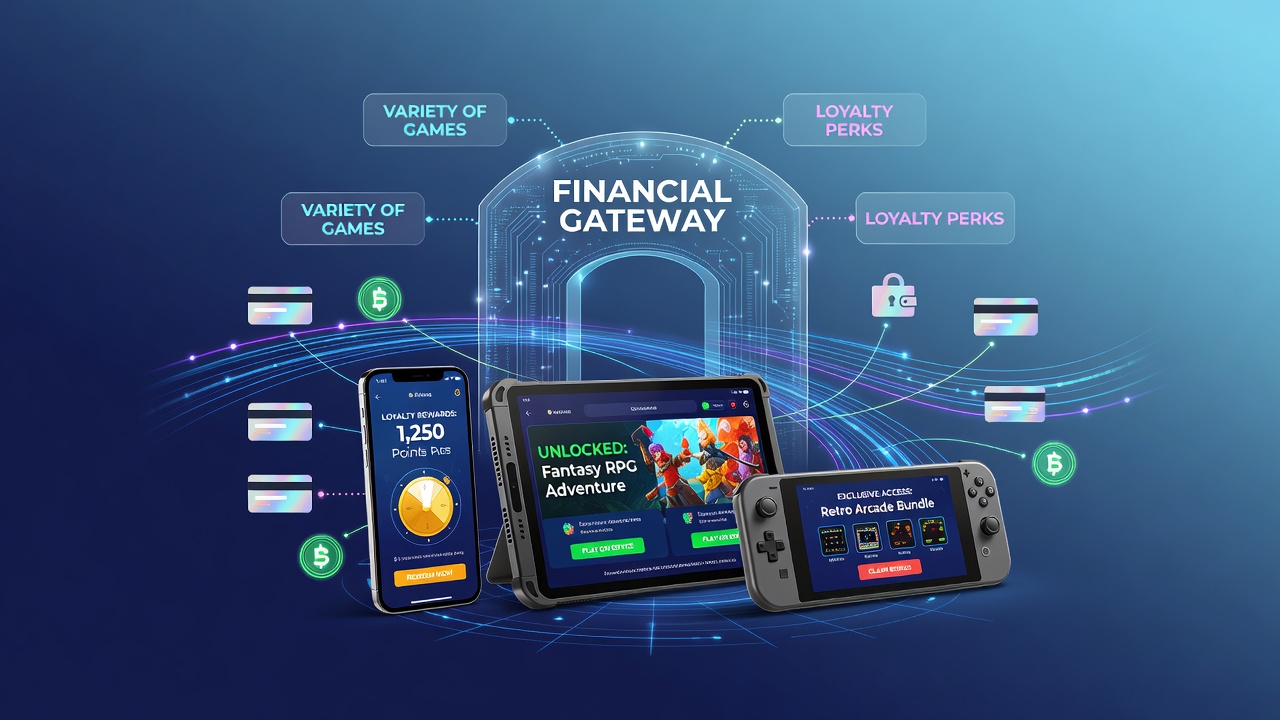
Financial gateways serve as the technical infrastructure that processes transactions between users and gaming platforms on handheld devices, handling deposits, withdrawals, and verification steps that connect payment methods directly to game access and reward systems. These systems integrate with mobile applications through APIs that allow instant fund transfers while maintaining compliance with regional financial regulations, and they support multiple currencies along with various digital wallets that expand participation across different markets. Observers note that without reliable gateways, many loyalty features remain inaccessible because point accumulation and tier progression often depend on completed transactions tracked in real time.
Integration of Payment Processing With Mobile Gaming Platforms
Payment gateways connect banking networks and digital payment providers to gaming servers on smartphones and tablets, enabling users to fund accounts through credit cards, e-wallets, or bank transfers without leaving the application interface. Researchers at institutions tracking digital commerce have documented how these connections reduce transaction times to seconds in many cases, which in turn supports continuous play sessions that feed into loyalty tracking algorithms. Data from industry reports show that platforms using advanced gateways report higher rates of repeat engagement because users encounter fewer interruptions during deposits that unlock bonus rounds or progressive features.
Security protocols within these gateways employ encryption standards and tokenization that protect card details while allowing loyalty programs to record spending patterns accurately. Experts have observed that such measures meet requirements set by authorities in multiple jurisdictions, including oversight from bodies like the Australian Communications and Media Authority that monitor transaction integrity in online entertainment sectors. As handheld devices incorporate biometric authentication, gateways now link these verification steps to account access, streamlining entry into games that award loyalty points based on deposit frequency and volume.
How Gateways Enable Access to Diverse Gaming Formats
Once funds transfer successfully through a gateway, users gain entry to slot machines, table games, and live dealer environments hosted on the same mobile application, with each format often tied to separate reward structures. Studies indicate that seamless payment flows increase participation across these formats because players move between game types without additional verification hurdles. Figures from transaction analytics reveal that platforms with optimized gateways see elevated usage of loyalty multipliers that apply to both virtual slot spins and real-time dealer sessions.
Gateways also facilitate micro-transactions that support incremental loyalty building, such as small deposits that trigger daily reward streaks or bonus spin allocations. This capability proves relevant in regions where regulatory frameworks require strict limits on single transactions, and data collected through June 2026 shows continued refinement of these limits alongside improved gateway speeds. Those who examine mobile gaming trends note that integration with location-based services allows gateways to adjust available payment options based on user jurisdiction, thereby expanding access to loyalty tiers that vary by geographic rules.
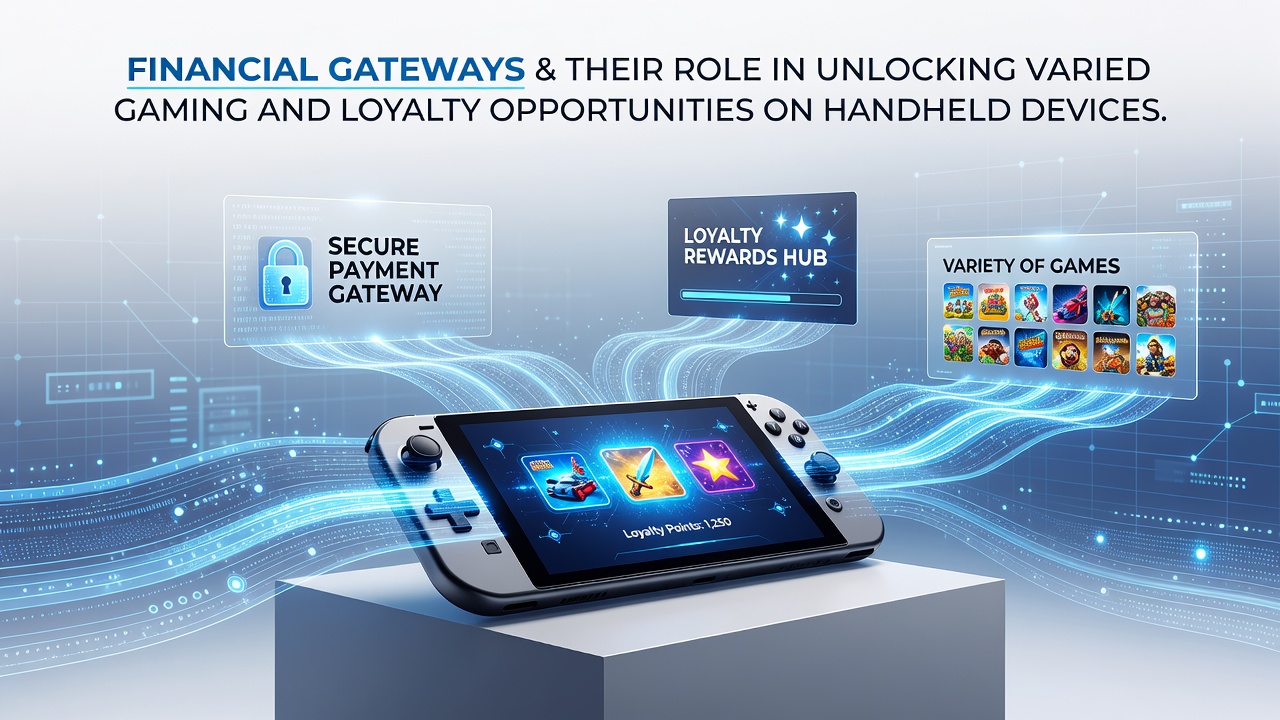
Connection Between Transaction Efficiency and Loyalty Program Mechanics
Loyalty systems on handheld platforms track user activity through data points supplied by financial gateways, including deposit amounts, frequency, and method types that determine point allocation rates. According to analyses from the European Gaming and Betting Association, platforms that streamline these data exchanges achieve more consistent progression through VIP levels because transaction records update without delays. Users accumulate rewards faster when gateways handle recurring payments automatically, which supports subscription-style loyalty benefits such as exclusive game access or higher payout percentages on selected titles.
Multi-tier programs often require minimum activity thresholds verified through gateway logs, and researchers have found that faster confirmation times correlate with increased retention in these programs. Gateways that support cryptocurrency options introduce additional loyalty pathways in jurisdictions where such payments receive approval, creating hybrid reward structures that combine traditional points with digital asset bonuses. This development aligns with broader shifts in payment technology observed through mid-2026, where cross-border transaction capabilities expand opportunities for international users to join unified loyalty ecosystems.
Regulatory and Technical Considerations Shaping Gateway Functionality
Compliance requirements from various oversight organizations influence how gateways authenticate users and report transaction data, with examples including standards enforced by Canadian provincial regulators that emphasize responsible transaction monitoring. These rules affect loyalty feature availability because certain reward types trigger additional verification when deposit patterns exceed defined thresholds. Technical advancements such as real-time fraud detection within gateways help maintain platform integrity, allowing loyalty systems to operate without frequent account holds that interrupt point earning.
Industry reports compiled by organizations like the University of Las Vegas Center for Gaming Research highlight how gateway scalability supports growing volumes of mobile transactions, which directly impacts the number of users who reach higher loyalty tiers within set timeframes. Developers continue to refine API connections that link payment processing to game servers, ensuring that bonus eligibility checks occur instantly after each successful transfer. Such refinements reduce friction that previously limited engagement with combined gaming and loyalty offerings on portable devices.
Conclusion
Financial gateways form the backbone that links monetary transactions to gaming participation and loyalty accumulation on handheld devices through secure, regulated processing channels. Their technical capabilities determine how quickly users access varied game formats and progress through reward structures, with ongoing developments in security and integration shaping future expansions. Data from multiple regulatory and research sources confirm that efficient gateways support broader participation in loyalty programs tied to mobile entertainment platforms.