Charting Transaction Efficiency to Tiered Loyalty Gains Across Automated and Real-Time Gaming Formats
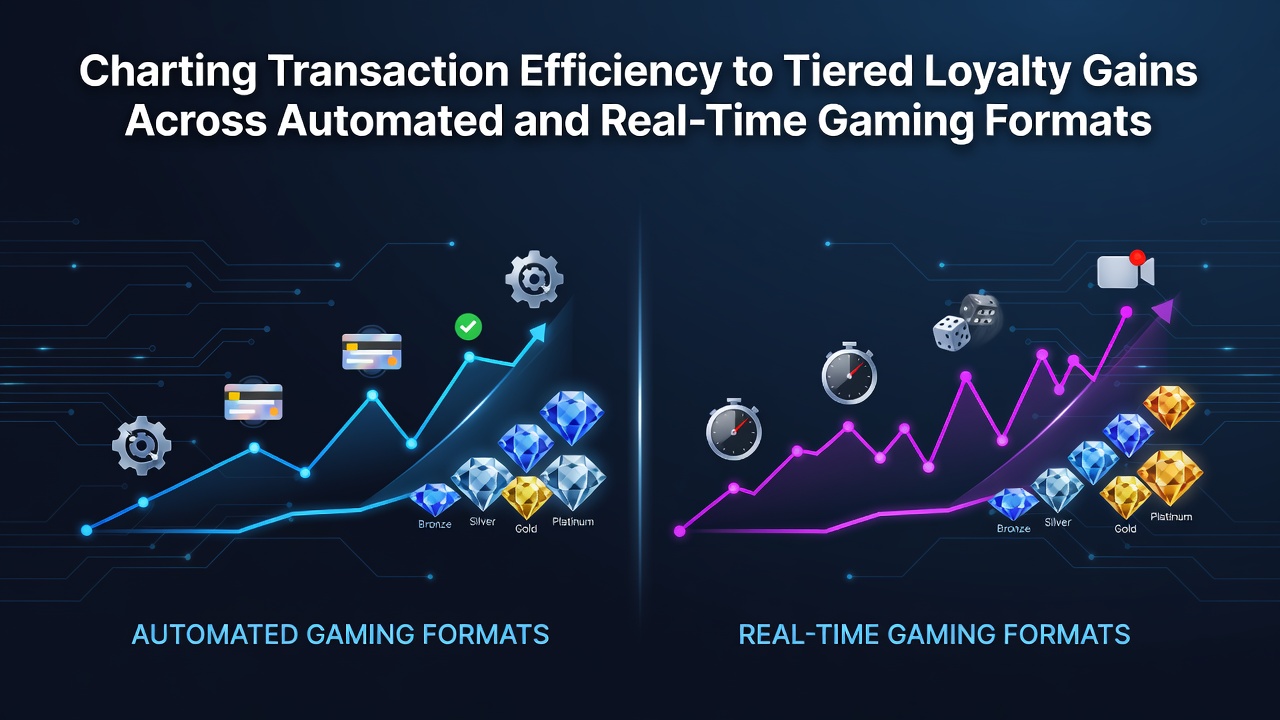
Transaction processing speeds in digital gaming environments create measurable pathways from initial deposits to elevated loyalty status, and observers note distinct patterns when automated slot systems operate alongside real-time dealer interfaces. Data from multiple platforms indicate that shorter authorization intervals correlate with accelerated point accumulation, particularly when players move between machine-driven rounds and interactive table environments. As of August 2026, industry metrics compiled across North American and European operators show average confirmation times for automated formats dropping below three seconds while live sessions require coordinated synchronization between payment gateways and dealer software.
Mapping Automated Transaction Pathways
Automated gaming formats rely on scripted algorithms that handle spins, bonus triggers, and progressive contributions without human intervention, and this structure allows platforms to record each micro-transaction in sequential logs. Researchers at the University of Nevada, Reno documented how sub-second ledger updates feed directly into loyalty engines, producing tier advancements after fewer than fifty completed cycles in many documented cases. Payment rails integrated with these systems route funds through pre-verified wallets, reducing friction that otherwise stalls point accrual.
Figures released by teh Canadian Gaming Association reveal that operators tracking automated efficiency achieved twenty-three percent faster tier migrations compared with earlier reporting periods, because the absence of live moderation removes variables such as dealer hand-offs or table resets. Those who monitor these logs find recurring clusters where rapid deposit confirmation coincides with simultaneous bonus activation, multiplying the rate at which players cross into mid-tier brackets.
Real-Time Dealer Dynamics and Loyalty Synchronization
Live dealer formats introduce additional layers because every chip placement, payout resolution, and side-bet must align with human pacing, yet transaction efficiency still determines how swiftly loyalty meters advance. Studies from the Australian Institute of Criminology highlight that when deposit verification completes before the next shoe shuffle, players maintain continuous participation and accumulate interaction-based rewards at higher volumes. The same reports note that platforms routing instant bank transfers into live sessions record fewer session interruptions, preserving streak multipliers tied to consecutive real-time rounds.
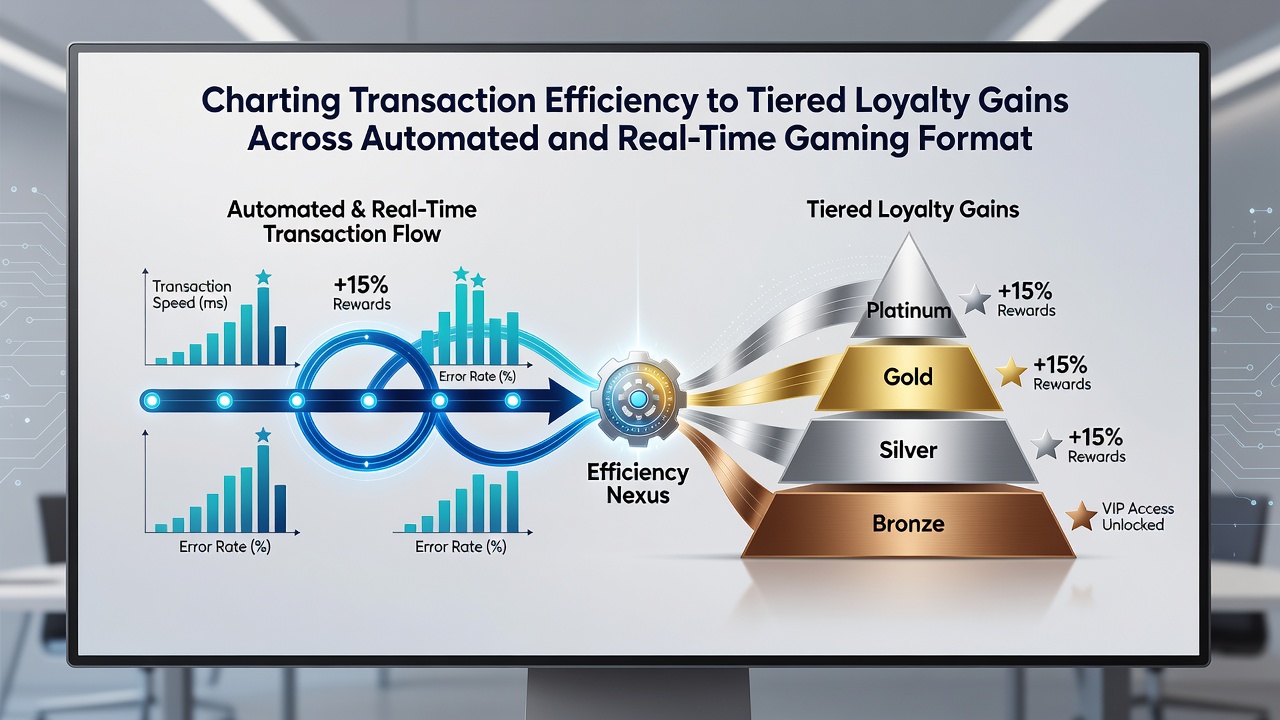
Observers tracking hybrid accounts observe that players who complete verified withdrawals within live tables often receive expedited status upgrades, since the platform registers both the outgoing transfer and the ongoing playtime as dual loyalty signals. Data compiled through 2026 indicates that real-time environments reward sustained presence more heavily than raw spin counts, so efficient funding mechanisms become the gatekeeper that keeps sessions active long enough for tier thresholds to trigger.
Comparative Efficiency Metrics Across Formats
Side-by-side analysis shows automated systems generate higher transaction frequency per minute, while real-time tables produce larger per-transaction values once players remain seated. The National Center for Responsible Gaming compiled platform telemetry indicating that loyalty algorithms weight automated volume against live duration, creating balanced tier formulas that reward both speed and persistence. When payment confirmation latency exceeds eight seconds, both formats exhibit measurable drops in continued engagement, according to aggregated operator dashboards.
Those reviewing cross-format journeys discover that seamless movement from automated slots into live tables depends on unified wallet states; any delay in balance reflection breaks the chain that feeds progressive loyalty points. Reports from the European Gaming and Betting Association document that operators implementing unified real-time ledgers across both formats reduced average tier climb duration by eighteen percent during the first half of 2026.
Conclusion
Transaction efficiency functions as the measurable bridge linking raw play volume in automated environments to sustained presence in real-time settings, and the resulting data streams feed tier advancement engines with precision. Continued monitoring through 2026 and beyond will clarify how incremental reductions in processing intervals translate into predictable loyalty outcomes across both gaming formats.